


Somatic therapy for people who feel stuck and are craving a new experience.
A body-based approach to working with trauma, anxiety, and deeply ingrained patterns.

Somatic therapy is a form of healing that works with the body as a source of information, memory, and change.
my approach to somatic therapy
People often come into therapy with many stories about what they’ve lived through, and many thoughts about those stories. A great deal of therapy can be spent making space for them, witnessing them, and trying to make sense of what happened. Sometimes, that is the work.
But insight alone is often not enough for lasting change. Many people already understand their patterns well. What they need is not more explanation, but a new experience.
I work experientially. Rather than focusing only on what you are verbally telling me, I also pay close attention to the emotion underneath the narrative and how your body is expressing it.
This means I’ll often slow you down or interrupt the story to bring your attention to what is happening right now. I might ask what you notice in your body, what happens as you stay with a particular feeling, or what you notice happening between us in the moment.
For many people, this is surprisingly difficult at first. You might be very good at explaining what you think and have much less access to what you feel or notice in your body. Sometimes I’ll ask what you’re experiencing and your mind will immediately give us another thought. That’s okay. We can develop the ability to notice and stay with your internal experience.
We work at a pace your system can tolerate. I won’t push you to stay with something when it becomes overwhelming. Instead, we gradually build your capacity to remain present with sensations, emotions, and impulses for a little longer. Over time, your body can become something we learn to listen to, giving us access to parts of you that may be difficult to reach through words alone.

-
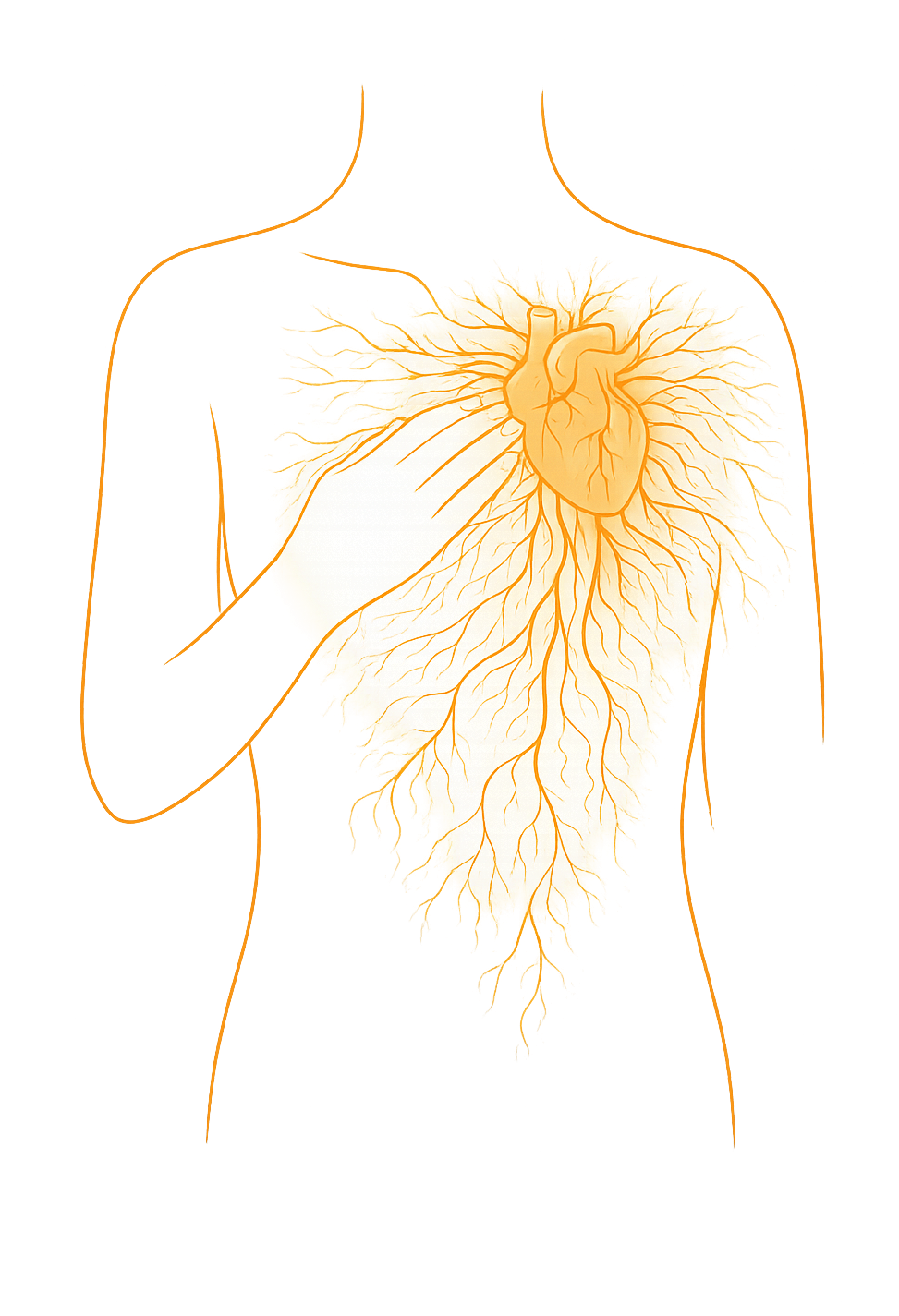
When we face threat, loss, or prolonged pressure, the nervous system adapts. These adaptations (tension, shutdown, hypervigilance, emotional flooding) once helped you cope. Over time, they can become limiting, even when you understand them intellectually.
-
Because these responses are learned physiologically, they don’t always shift through thinking or talking alone. Somatic therapy works at the level where these patterns actually live: in breath, posture, sensation, and rhythm.
-
This work does not try to control the body or push it into change. Instead, it listens carefully to what the body is communicating and works with it respectfully.
-
Somatic therapy does not involve reliving trauma or pushing past your limits. Attention to safety, consent, and pacing is central, especially when working with stress and trauma.
why the body matters
how somatic therapy helps
GREATER EMOTIONAL CAPACITY
Feelings become easier to tolerate, move through, and understand without overwhelm.
REDUCED REACTIVITY
The nervous system no longer needs to stay on constant alert.
EMBODIED STEADINESS
A growing sense of internal stability rather than constant self-management
MORE CHOICE
Responses begin to feel flexible instead of automatic.

this is for you if....
You understand yourself well. You can name your patterns and where they come from, but you’re still stuck in them.
Your body stays tense or alert. You overthink, shut down, or push through exhaustion. You intellectualize your emotions as opposed to feeling them.
Somatic therapy works by engaging these patterns directly, at the level where they live: in the body and nervous system. Over time, reactions soften, emotions move more freely, and steadiness replaces the need to hold everything together.
This approach often resonates with people who’ve done therapy before and know that insight alone wasn’t enough.

“If the body were not the soul, what is the soul?”
— Walt Whitman, I Sing the Body Electric